No products in the cart.
Blog
How to Design Your Own Personalized Printed Jersey?
04
Feb
Feb
Designing Your Own Personalized Printed Jersey: A Comprehensive Guide to Crafting Wearable Identity
A printed jersey is far more than just sportswear; it is a powerful visual statement that blends performance, identity, and personal expression. Originally designed for athletic functionality, jerseys have evolved into a versatile fashion staple—used by sports teams, brands, clubs, companies, and individuals to communicate unity, personality, and purpose.
With the growing demand for customization and personalization, printed jerseys have become wearable canvases that showcase logos, names, numbers, faces, graphics, and bold creative concepts. This guide walks you through the complete process of designing your own personalized printed jersey—from concept development and visual design to fabric selection, printing methods, and production considerations.
I. Conceptualizing Your Personalized Printed Jersey
Every great custom jersey starts with a clear concept. Defining the purpose and vision of your jersey sets the foundation for all design decisions that follow.
A. Gathering Inspiration & Defining Purpose
Inspiration can come from many sources: sports culture, brand identity, streetwear trends, team spirit, pop culture, or personal creativity. Before designing, ask yourself:
Is this jersey for a sports team, brand promotion, corporate uniform, event, or personal fashion?
Will it be worn competitively, casually, or as merchandise?
A team jersey may emphasize numbers, player names, and strong color blocking, while a brand or event jersey may focus on logos, slogans, or eye-catching artwork. Clearly defining the purpose ensures the final design communicates the right message.
B. Identifying Your Theme or Niche
Choosing a theme gives your printed jersey visual cohesion and uniqueness. Popular jersey themes include:
Sports-inspired designs (football, baseball, basketball, esports)
Brand or corporate identity
Streetwear and lifestyle aesthetics
Event-specific or commemorative designs
Personal themes such as pets, faces, or illustrations
A highly effective approach is blending classic jersey design elements (numbers, stripes, typography) with niche or personal imagery, creating a jersey that feels both authentic and distinctive.
C. Choosing the Right Color Palette
Color plays a crucial role in visibility, emotion, and brand recognition. Jerseys often use:
Bold, high-contrast colors for sports teams
Brand colors for corporate or promotional jerseys
Dark or neutral tones for streetwear-inspired designs
Understanding basic color harmony—complementary, analogous, or monochromatic schemes—helps ensure your printed jersey is visually balanced and impactful, both on and off the field.
D. Visualizing Your Design
Before production, visual mockups are essential. Designs can be sketched by hand or created digitally using design software. Mockups allow you to:
Check logo placement and scale
Adjust typography, numbers, and graphics
Preview how the design looks across different jersey sizes
Most professional custom jersey providers, including Deerprintz, offer digital previews to ensure accuracy before printing.
II. Core Design Elements of a Printed Jersey
Understanding jersey construction helps designers create more functional and professional results.
A. Jersey Anatomy & Key Features
Printed jerseys typically include:
Crew neck or V-neck collars for comfort and athletic wear
Short or long sleeves, depending on sport or style
Athletic or relaxed fit for movement and breathability
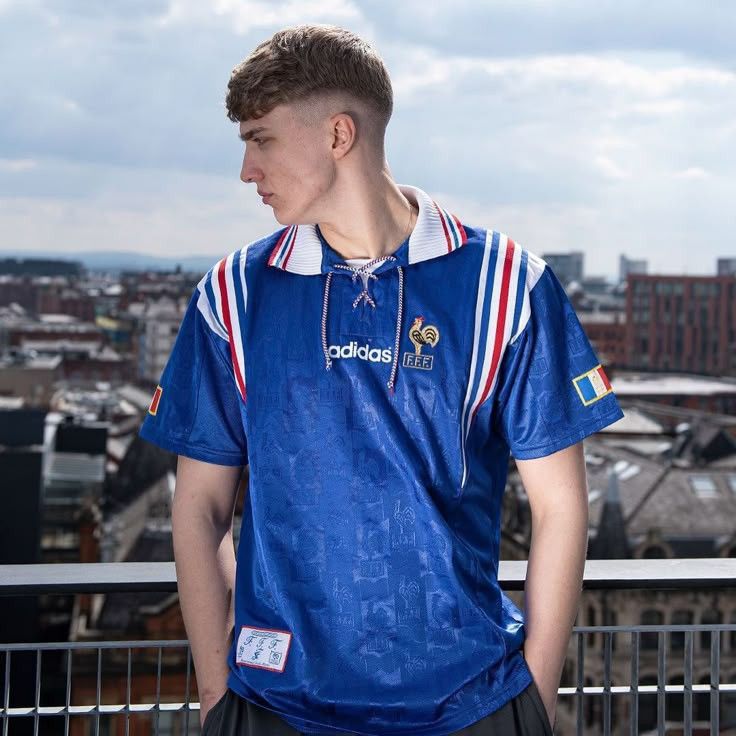
Front, back, and sleeve print zones for logos, numbers, and graphics
Optional side panels or mesh zones for ventilation
High-quality jerseys ensure that prints align cleanly across seams and panels, enhancing overall visual impact.
B. Graphics, Logos & Typography
The heart of a printed jersey lies in its graphics:
Logos (team, brand, sponsor)
Player names and numbers
Illustrations, patterns, or full-coverage artwork
Well-designed jerseys balance bold visuals with readability—especially for numbers and names, which must remain clear from a distance.
C. Pattern Styles & Layouts
Popular printed jersey layouts include:
Full all-over print (AOP)
Color-blocked sports layouts
Gradient or fade effects
Engineered prints aligned to jersey panels
Engineered prints, while more complex, create the most polished and professional appearance.
III. Fabric Selection: Performance Meets Comfort
Fabric choice directly affects comfort, durability, and print quality.
Common Jersey Fabrics
Polyester: Lightweight, durable, wrinkle-resistant, and ideal for dye sublimation printing
Mesh polyester: Enhanced breathability for sports performance
Poly-blend fabrics: Balance comfort and structure
Polyester-based fabrics are the industry standard for printed jerseys, especially for vibrant, long-lasting colors.
IV. Printing Methods for Personalized Jerseys
Popular Jersey Printing Techniques
Dye Sublimation: Best for printed jerseys; produces vibrant, permanent, all-over prints with no texture
Direct-to-Garment (DTG): Suitable for cotton jerseys and smaller designs
Heat Transfer: Ideal for names, numbers, and small custom elements
Screen Printing: Cost-effective for bulk orders with limited colors
For professional-grade custom printed jerseys, dye sublimation is the most widely used and durable method.
Conclusion
Designing your own personalized printed jersey is a creative and strategic process that combines identity, functionality, and style. By carefully considering concept, design elements, fabric, and printing methods, you can create a jersey that stands out and performs.
With no minimum order, high-quality printing, and full customization, Deerprintz empowers you to turn your ideas into wearable statements—whether for teams, brands, events, or personal expression.
